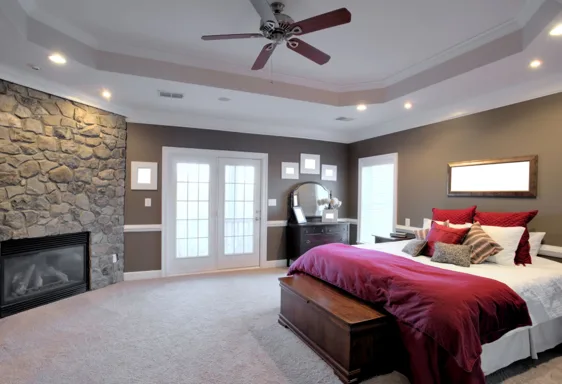
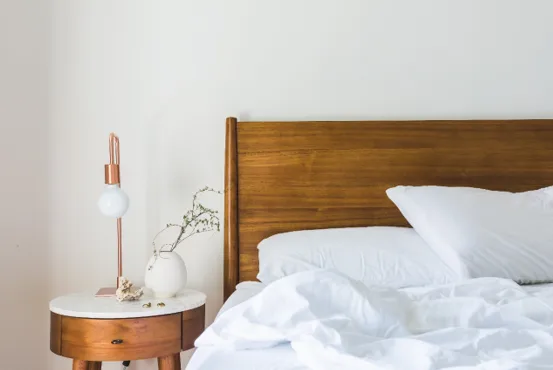
There is a reason why some people wake up feeling truly rested while others drag themselves out of bed every morning, no matter how many hours they spent under the covers. The difference often has less to do with the number of hours slept and more to do with the environment where that sleep happens. A sleep sanctuary is simply a bedroom that has been thoughtfully set up to support deep, restful sleep. It does not have to involve a complete renovation or a large budget. More often than not, the most meaningful changes are also the simplest ones. Understanding what makes a space truly sleep-friendly is the first step toward building one for yourself.
The Right Foundation for Restful Sleep
Every good sleep environment starts from the ground up, and that means paying attention to what you are sleeping on. A comfortable mattress is not a luxury item. It is one of the most important tools for getting quality rest. The way your body is supported throughout the night directly affects how your muscles recover, how your spine aligns, and whether you wake up feeling stiff or refreshed.
What works for one person may not work for another. Sleep position, body type, and pressure points all play a role in determining what kind of support your body needs. Someone who sleeps on their side has different needs than someone who sleeps on their back. This is why a personalized approach to choosing a mattress matters so much. Rather than picking whatever looks good in a showroom, it helps to understand your own sleep style first and then find a mattress that responds to it. When the right match is made, the difference in sleep quality can be felt almost immediately.
Beyond the mattress itself, the bedding you choose also contributes to how well you sleep. Breathable fabrics, the right pillow height, and layers you can adjust to your comfort all add up. The goal is to create a surface that feels inviting and supportive at the same time.
The Role of Light and Sound in Sleep Quality
Light as a Sleep Signal
The human body is naturally wired to respond to light. Bright light signals the brain to stay alert, while darkness encourages the release of hormones that prepare the body for sleep. This means that the lighting in your bedroom plays a much bigger role in sleep quality than most people realize.
In the evening hours, it helps to gradually reduce the amount of bright light you are exposed to. Dimmer, warmer light sources in the bedroom signal to your body that the day is winding down. Blackout curtains or heavy drapes are especially useful for blocking outside light sources like streetlamps or early morning sunlight. Even small sources of light, like the glow from electronics or standby indicators, can be enough to disrupt the sleep cycle for some people.
Sound as a Sleep Disruptor
Sound is the other major environmental factor that often goes unaddressed. A space that feels quiet during the day can become surprisingly noisy at night, when traffic, neighbors, or other household sounds become more noticeable. Some people find that complete silence is ideal, while others sleep better with a consistent background sound that masks sudden changes in noise.
White noise machines or simple fans can help create that steady sound environment. The key is consistency. It is not so much about eliminating all noise as it is about reducing the jarring effect of sounds that come and go unpredictably throughout the night.
The Atmosphere That Invites Rest
Temperature and Air Quality
The temperature of a room has a direct effect on how easily the body transitions into and stays in deep sleep. A slightly cool room tends to support better sleep for most people, though personal preference still plays a role. Good air circulation also matters. Stuffy, stagnant air can make sleep feel more restless, while a room with fresh airflow tends to feel more comfortable and easier to breathe in. Opening a window when the weather allows, using a fan, or maintaining a consistent thermostat setting can all help create the right thermal environment for sleep.
Visual Calm and Clutter
The way a bedroom looks also affects how the brain processes the space. A cluttered, visually busy room can keep the mind in a more active, alert state, even when the lights are off. A clean and organized space sends a different message. It signals that the room is meant for rest, not for activity or work. Neutral colors, soft textures, and minimal distractions all contribute to a visual atmosphere that makes it easier to wind down.
This does not mean the bedroom has to look like a catalog photo. It simply means removing things that feel out of place or that are associated with stress or stimulation. When the bedroom is reserved primarily for sleep, the brain begins to associate that space with rest, and falling asleep becomes more natural over time.
Building Habits That Support Your Sleep Space
Even the most thoughtfully designed bedroom will only go so far if the habits surrounding sleep are working against it. A consistent sleep schedule, a relaxing pre-sleep routine, and limiting screen time in the hour before bed all reinforce what the environment is trying to support. Think of the bedroom environment and your nightly habits as working together. One strengthens the other.
Small rituals, like dimming the lights at a set time, keeping the room tidy before bed, or using a familiar scent like lavender in the space, can help train the mind to shift into a restful state more easily. Over time, these cues become automatic, and the transition from wakefulness to sleep becomes smoother.
Conclusion
Creating a sleep sanctuary at home is about more than aesthetics. It is about understanding what your body and mind need in order to truly rest and then designing a space that delivers exactly that. From the surface you sleep on to the light, sound, temperature, and visual atmosphere around you, every element plays a part. The good news is that meaningful improvements do not require starting from scratch. Small, intentional changes made consistently can transform an ordinary bedroom into a space where real rest actually happens. Reach out to our team today to discover how we can help you find the perfect sleep setup tailored to your unique needs.
Frequently Asked Questions
The size of the room matters less than how it is arranged and maintained. A small, well-organized room with good air circulation and minimal clutter can support better sleep than a large room filled with distractions or poor lighting.
There is no universal timeline, but paying attention to how your bedding feels and performs is a good guide. If it no longer feels comfortable or supportive, it is worth reconsidering, regardless of how long you have had it.
Some people find that having greenery in the bedroom contributes to a calming atmosphere. Certain plants are also known to support air quality. As long as they do not trigger allergies or require excessive maintenance, they can be a pleasant addition to a restful space.
Visit Snooze Mattress + Wellness in San Antonio
13111 San Pedro Ave, Suite 101, San Antonio, TX 78216
(210) 267-1007 · Mon–Sat 10 AM–8 PM · Sun 11 AM–6 PM